Sewer Line Inspection & Repair in Rego Park, Queens
Comprehensive sewer diagnostic assessments, root intrusion clearing, house trap maintenance, and subterranean pipe repairs for cooperatives, residential homes, and commercial properties across Rego Park and neighboring Queens areas.
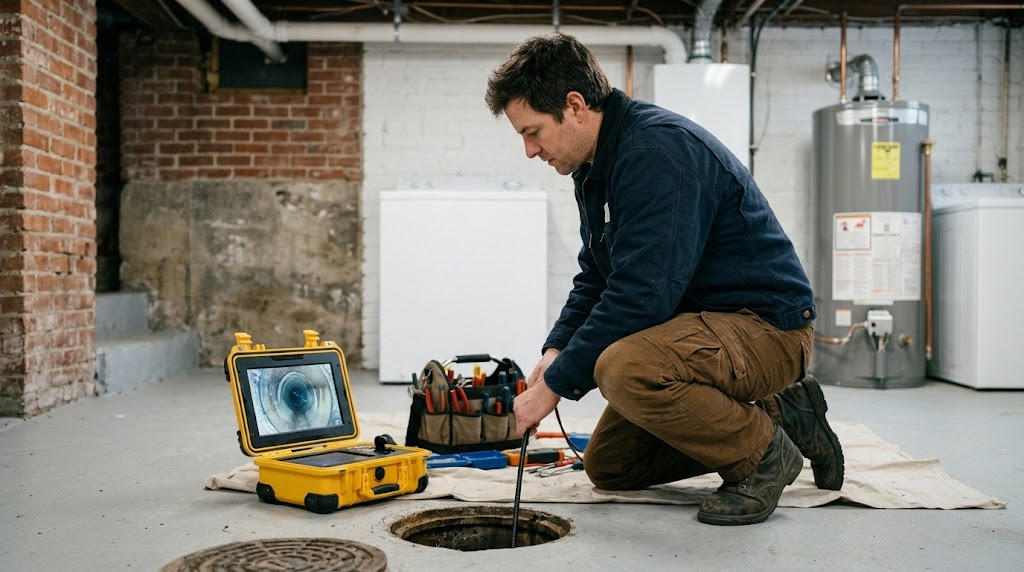
Understanding Main Sewer Lateral Problems in Rego Park
In multi-unit apartment buildings and private residential properties throughout Rego Park, the main sewer line serves as the central artery carrying all wastewater away from toilets, sinks, laundry appliances, and tubs out to the municipal collection system. Because many local properties were constructed during the mid-twentieth century, subterranean sewer laterals often consist of heavy cast-iron or vitrified clay tile piping.
Over decades of continuous service, these underground lines endure shifting ground soil, tree root intrusion seeking moisture, internal rust scale accumulation, and settling low spots (bellies). When a main line fails or clogs, wastewater has nowhere to go but backward into the lowest fixtures of the property.
Professional sewer line repair Rego Park Queens begins with an accurate physical assessment. Technicians inspect the main building house trap, assess cleanout accessibility, and evaluate whether a problem is confined to a horizontal building branch or extends through the exterior lateral pipe beneath the sidewalk. Where concealed ceiling stains occur concurrently on upper levels, we also coordinate precise leak detection in Rego Park or targeted drain cleaning to address branch stack blockages.
Critical Warning Signs of Sewer Trouble
-
Multiple Fixtures Backing Up: Running a washing machine or flushing a toilet causes water to push upward into ground-floor tubs, showers, or basement floor drains.
-
Gurgling Sounds in Plumbing: Air bubbles trapped behind a main line stoppage push backward through fixture traps, producing distinctive glugging noises.
-
Persistent Sewer Gas Odors: Unpleasant hydrogen sulfide or sewer gas smells in basements, crawlspaces, or utility rooms indicate dry traps, broken vent connections, or cracked lateral pipes.
-
Depressions in Soil or Paving: Unexplained sinkholes, moist grass patches, or dipping paver stones along the front property line may signal an underground pipe collapse washing away bedding soil.
Sewer Line Inspection and Assessment Methods
The optimal diagnostic and repair approach depends on pipe accessibility, age, structural integrity, and building layout.
Sewer Camera Inspection
When a sewer line suffers from chronic, unexplained backups, a fiber-optic self-leveling sewer camera can be advanced through an accessible cleanout. This conditionally applied diagnostic method reveals the exact internal condition of the line—identifying tree root hairpins, offset vitrified clay joints, pipe bellies, or interior scale build-up—without unnecessary excavation.
Heavy Mechanical Clearing
If an underground pipe remains structurally intact but is severely clogged by solidified grease deposits or fibrous root hairballs, high-torque industrial continuous cable snakes equipped with expanding root-cutting heads can be deployed to clear the obstruction and restore gravity drainage.
Targeted Sectional Repair
Where an isolated break, shear crack, or localized root infestation has compromised the pipe beneath a basement slab or front walkway, a targeted sectional excavation and replacement with schedule 40 PVC or extra-heavy cast iron with no-hub bands can restore line integrity without replacing the entire utility run.
Private Sewer Lateral vs. Public City Sewer Mains
A frequent source of confusion for Queens property owners and co-op boards is determining who is responsible for sewer maintenance when problems arise beneath the street or sidewalk.
Under New York City Department of Environmental Protection (NYC DEP) regulations, the building owner is financially and legally responsible for the entire length of the private sewer house connection (lateral). This responsibility begins inside the building foundation wall, extends under the sidewalk, and continues through the roadway all the way to the point where the lateral taps into the municipal sewer main.
If the city main in the street becomes overwhelmed during severe storm surges, wastewater can potentially back up into private laterals. Installing a properly rated backwater check valve on the building house trap can help safeguard basement levels against municipal surcharge events.
Factors Influencing Sewer Repair Scope & Cost
- Depth & Location of the Pipe: Sewer laterals buried shallowly under an unfinished basement slab require significantly different access procedures than pipes buried eight to ten feet deep beneath reinforced concrete driveways or public sidewalks.
- Pipe Material & Extent of Decay: Replacing an isolated five-foot section of rotted cast iron near a house trap versus addressing full-length vitrified clay pipe collapse.
- Permitting & Street Opening Requirements: Repairs extending past the property line into the sidewalk or roadway require NYC DOT street opening permits, DEP inspections, and licensed utility restoration.
- Wastewater Cleanout Accessibility: Existing accessible cleanouts allow immediate diagnostic equipment entry; properties with seized brass plugs or buried house traps require trap modernization first.
Frequently Asked Questions About Sewer Line Services
Practical diagnostic answers for Rego Park and Queens property owners.
Queens Regional Service Coverage
We provide comprehensive subterranean drain and sewer diagnostics across Rego Park, Forest Hills, Elmhurst, and Middle Village. From historic garden apartment complexes near 67th Avenue to private residential properties off Woodhaven Boulevard, our team delivers methodical plumbing solutions.
Related Diagnostic Services
- Leak Detection in Rego Park: Non-invasive tracing of hidden water leaks in ceilings, walls, and risers.
- Drain Cleaning: Clearing recurring branch clogs, grease stoppages, and stack cleanouts.
- Pipe Leak Repair: Pinpointing and repairing corroded copper, brass, and cast-iron lines.
- Contact Us: Direct telephone assistance for sewer backups and emergency plumbing needs.